There's a moment in almost every website project where someone opens a beautiful mockup and asks the fatal question: "So what goes here?"
The design is done. The layout is elegant. The hero section has a perfectly balanced headline area, sized for roughly six words. And now the actual message, the reason the website exists at all, has to be trimmed, stretched, and shoehorned into boxes that were drawn before anyone knew what they'd need to hold.
This is designing backwards, and most of the industry still does it. Jeffrey Zeldman called this out back in 2008: "Content precedes design. Design in the absence of content is not design, it's decoration."
Lorem ipsum is a promise you can't keep
Every placeholder is a small bet that the real content will magically match the shape of the fake content. It almost never does.
The lorem ipsum headline was six words, but the client's actual value proposition takes eleven. The three neat feature cards assumed three features; the business has five, and two of them matter more than the others. The testimonial slot fits one tidy sentence, but the best quote the client has is a glorious rambling paragraph that would convert like crazy if only it fit anywhere.
So the design bends, or the content gets cut down to fit the furniture. Either way, something built to look good with fake words starts looking worse with real ones, and the revision cycle everyone dreads begins. Not because the design was bad, but because it was designed for content that never existed.
Design answers "how." Content answers "why."
A website exists to say something to someone: here's what we do, here's why it matters to you, here's what to do next. That message is the point. Design is how the message gets delivered clearly and beautifully, and great design does enormous work. But it's work in service of the message, not a substitute for it. Nielsen Norman Group's research found that 79% of users scan rather than read, so every word has to earn its place.
When design comes first, the message becomes an afterthought that has to negotiate with the layout for space. When content comes first, the layout has a job description before it's drawn. The designer isn't guessing how long the headline might be. They're designing for the actual headline, the actual five features, the actual glorious rambling testimonial.
Ask any designer which project they'd rather work on. Designing around real content isn't a constraint. It's a gift.
Content-first doesn't mean finished copy first
Here's where agencies get scared off, and fairly. "Content first" sounds like "wait for the client to deliver final polished copy before design starts," and anyone who has managed a website project knows how that story ends. You'd never start anything.
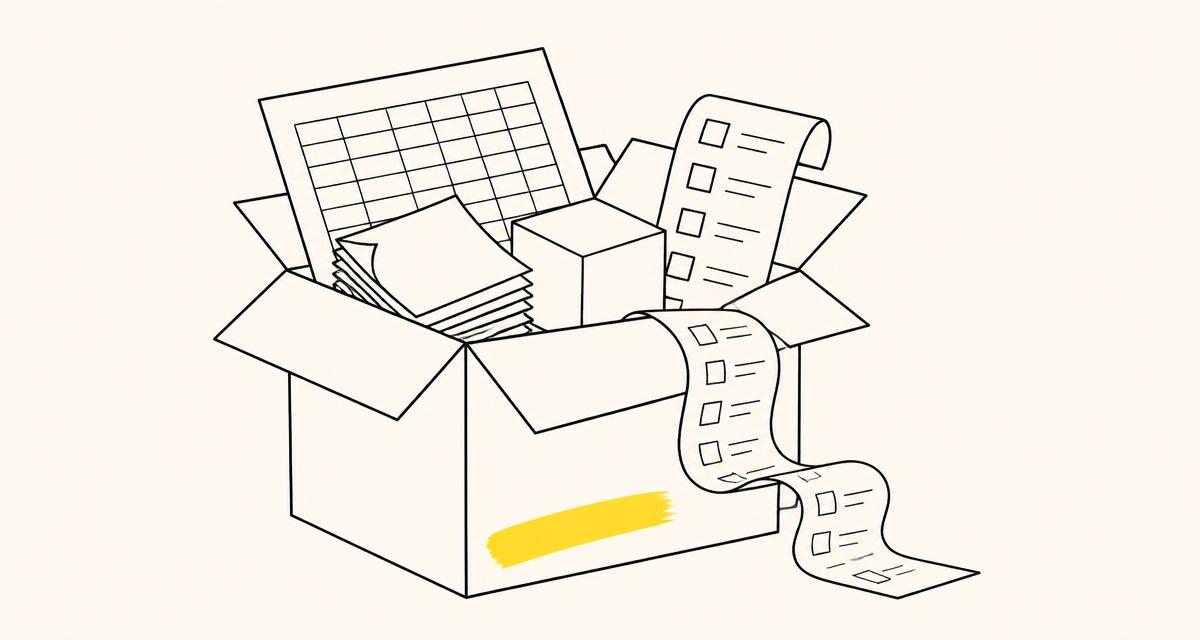
But content-first doesn't require finished copy. It requires a content plan: a page-by-page map of what each page needs to say, roughly how much of it there is, and what the priority order looks like. Which pages exist. What the homepage has to communicate in the first screen. Whether services get one page or six. What the calls to action actually say.
That plan can be drafted early, quickly, and imperfectly, then refined alongside the design instead of after it. The wording will keep improving until launch. The structure is what design needs, and structure can be settled in week one.
Think of it like building a house. You don't need to pick the throw pillows before the architect starts, but you'd better know how many bedrooms you're building. Lorem ipsum is drawing the house first and hoping the family fits.
What content-first looks like in practice
The workflow shift is smaller than it sounds.
Start every project with a sitemap and a message map. Before anyone opens a design tool, list every page and write one sentence per page: the single thing this page must get across. If you can't write that sentence, the page isn't ready to be designed, because nobody knows what it's for yet.
Draft real copy early, even rough copy. A mediocre real headline teaches the design more than a perfect fake one. Rough copy reveals actual lengths, actual proportions, actual hierarchy. It also gives the client something concrete to react to while the project still has room to move. This is the workflow SiteWrite was built around, for what it's worth: generate the full page-by-page draft up front, let everyone tear into it, and hand design something true to work with.
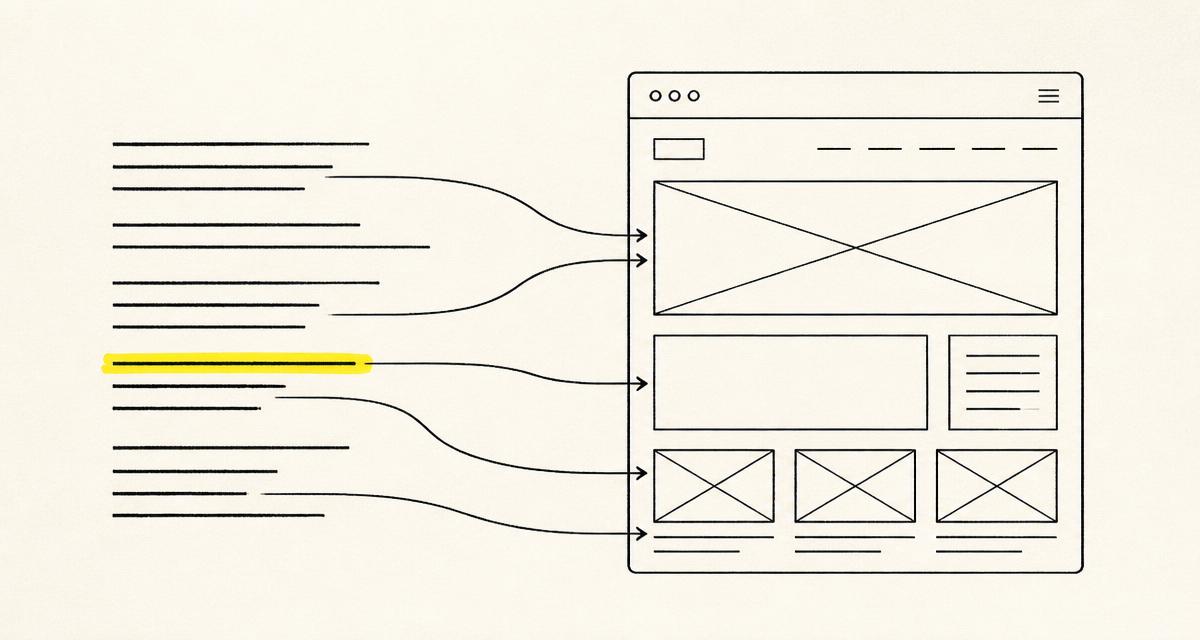
Design with the draft, not around it. Pull real sentences into the mockup from day one. When the copy changes, and it will, the design flexes with it gradually instead of colliding with it at the end.
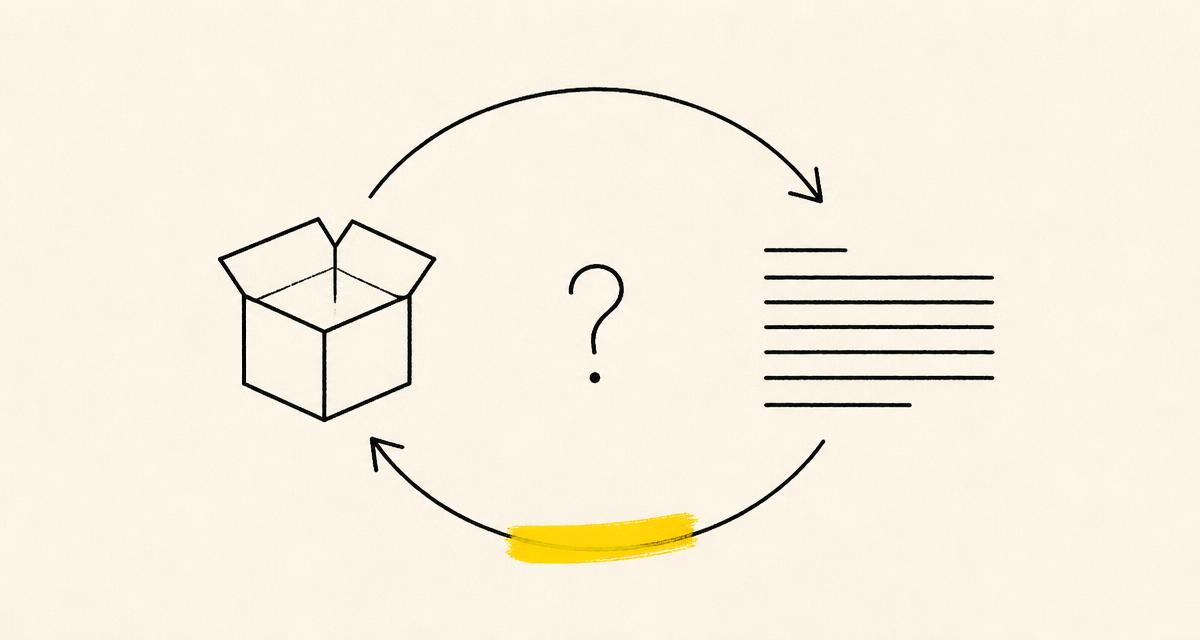
Let content and design revise together. Sometimes the design will send you back to the copy: this headline reads long in context, this section wants a third point for balance. That's healthy. Content-first isn't a strict one-way sequence, it's a question of which one leads.
The quiet business case
Beyond better websites, content-first fixes the scheduling problem that haunts every agency. When content is "the client's job, due before design ends," it becomes the invisible dependency that blows up your timeline. When content planning is the first project phase, owned by you, it stops being a cliff at the end and becomes a step at the beginning.
Projects that start with a content plan don't stall in the "waiting on copy" purgatory, because there's nothing to wait for. The draft already exists. The client's job shrinks from writing to reviewing, and reviewing is a job clients actually do.
Words first, pixels second
None of this diminishes design. It gives design better raw material and a clearer target. The best-looking site you'll ship this year will be the one where the designer knew exactly what every section needed to say before drawing it.
Plan the content. Write the draft. Then, and only then, make it beautiful.