Ask an agency why a website project blew past its deadline and you'll hear the usual suspects. Scope creep. Revision rounds. The client who disappeared to Cabo mid-project. A developer out sick during the crunch week.
All real. All occasionally true. And almost never the actual reason.
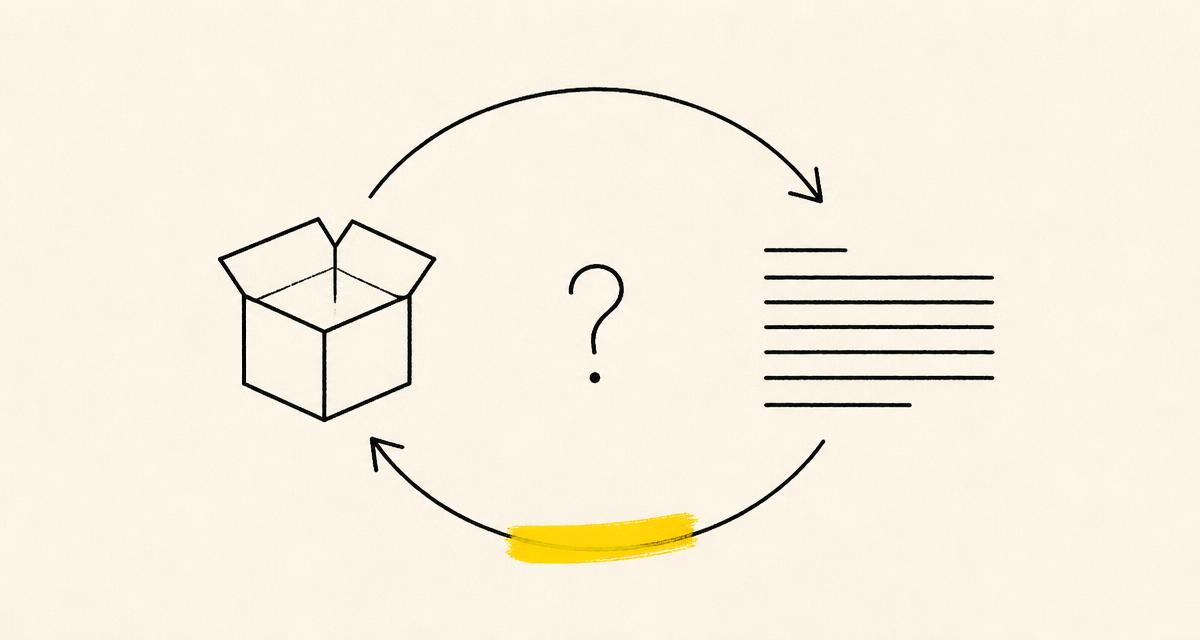
Pull up your last five late projects and look at where the time actually went. Odds are you'll find the same quiet phrase sitting in the middle of every timeline, eating weeks while nobody watched: waiting on content. Other agencies report the same thing: content delays are one of the leading causes of blown website timelines.
The bottleneck nobody puts on the schedule
Here's the strange thing about content in a typical web project plan. Design gets three weeks. Development gets four. Revisions get two rounds with dates attached. And content gets a single line somewhere near the top: "Client to provide copy."
No duration. No owner on your side. No plan for what happens when it doesn't show up. It's the only project dependency that's fully outsourced to the one person on the team who doesn't do this for a living, and it's treated like a formality.
Then the project starts, and that one unscheduled line quietly becomes the schedule. Design finishes and sits. Development builds pages full of placeholder text and sits. Your team moves on to other projects to stay busy, which means when the content finally arrives, you're the bottleneck, and the delay compounds. A two-week content slip becomes a five-week launch slip, and everyone's calendar pays for it.
The project didn't run late at the end. It ran late in week three. It just took until week nine for anyone to notice.
Why the copy never shows up on time
It's tempting to blame the client, but the setup fails before the client ever gets a chance to.
Writing a website is genuinely hard, and it's hardest for the person closest to the business. Your client knows too much, a bias Harvard Business Review calls the curse of knowledge. They can't tell which of the forty things they could say actually matters to a stranger on a homepage. They're not procrastinating out of laziness; they're stuck on a professional writing task that was handed to them as though it were paperwork.
And unlike every other part of the project, this task has no structure around it. You'd never tell a developer "just build something whenever." But "just send over your copy whenever it's ready" is standard practice, and then we're surprised when whenever turns out to mean August.
The uncomfortable conclusion: the content delay isn't a client problem. It's a planning problem. It belongs to whoever built the timeline.
Late projects are quietly expensive
It's worth pausing on what "waiting on content" actually costs, because it hides well.
There's the obvious part: launch slips, the client is mildly annoyed, you're mildly embarrassed. But the real cost is on your side of the table. A stalled project doesn't pause its overhead. It occupies a project manager's attention, clogs your production calendar, and pushes the final invoice further away. If your last payment milestone is tied to launch, every content delay is an interest-free loan you're making to your client. Stack three stalled projects at once and your cash flow has a problem your bookkeeping can't explain.
Agencies obsess over utilization and scope, then leak margin through a gap in the plan labeled "client to provide copy."
How to take content off the critical path
The fix isn't nagging harder. Nagging is what you do after the plan has already failed. The fix is changing whose job content is and when it happens.
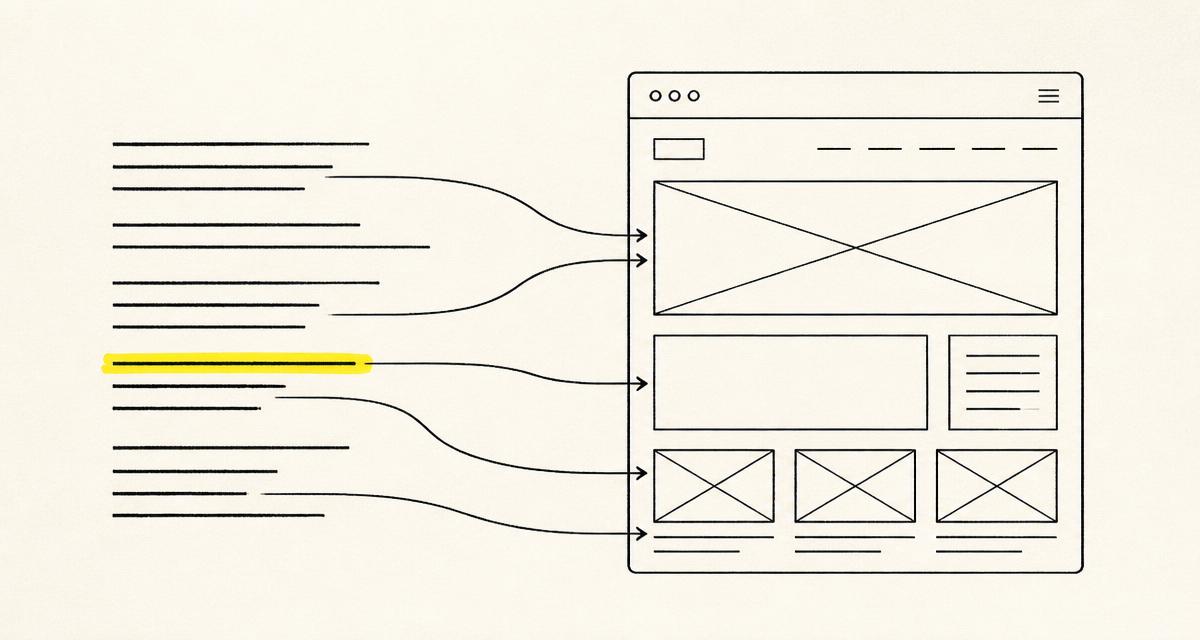
Make content phase one, not a prerequisite. Content planning belongs at the start of the project as real, scheduled work that you lead. Map the sitemap, define what every page needs to say, and draft it before design begins. Content that's drafted in week one can't stall week six.
Flip the client's role from author to editor. Stop waiting for clients to produce copy and start giving them drafts to react to. A client who owes you original writing will take six weeks. The same client, handed a draft and asked "what's off here?", will reply by Thursday. Reviewing is a task that fits inside a normal person's week. Authoring is not.
Make the review step frictionless. If reviewing means learning a tool, creating an account, or compiling feedback into a formal email, you've just rebuilt the delay in a new spot. Send a link they can read and comment on directly, done. This is the entire reason SiteWrite gives clients a no-login review page: every ounce of friction you remove from the review step comes straight off your timeline.
Put dates on content like you put dates on everything else. Draft delivered by X. Comments due by Y. Approval by Z. Not because deadlines magically motivate clients, but because a dated step is a managed step. You can see it slipping while it's a three-day problem instead of discovering it as a three-week one.
The timeline you could be quoting
Here's the payoff, and it's bigger than punctuality. When content stops being the wildcard, your project timelines stop being fiction. You can tell a prospect "six weeks" and mean it, because the phase that used to eat an unbudgeted month is now a scheduled week at the start.
Predictable timelines mean a predictable calendar, predictable cash flow, and the quietly great sales line "we launch on time" that almost no agency can honestly say.
The projects were never late because clients are flaky or scope crept. They were late because the plan had a hole in it shaped exactly like the copy. Close the hole, and watch your projects start landing when you said they would.