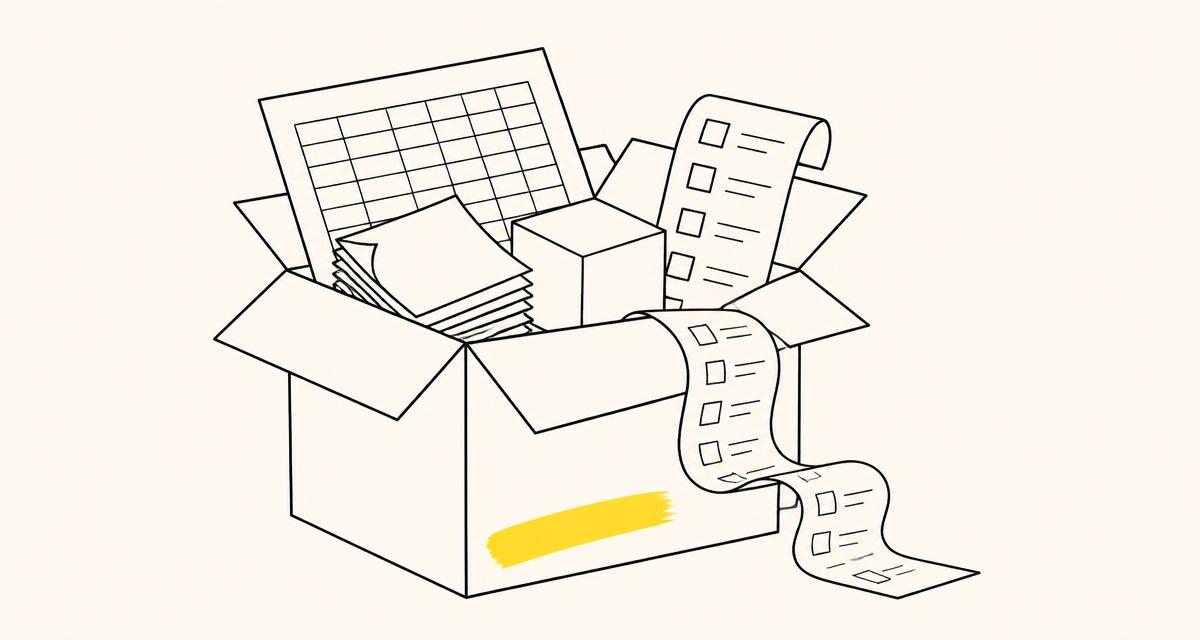
Most content briefs fail before the client even opens them. Not because the client is difficult (though, sure, sometimes), but because the brief asked the wrong questions, or asked the right questions in a way that let the client answer with one word and move on.
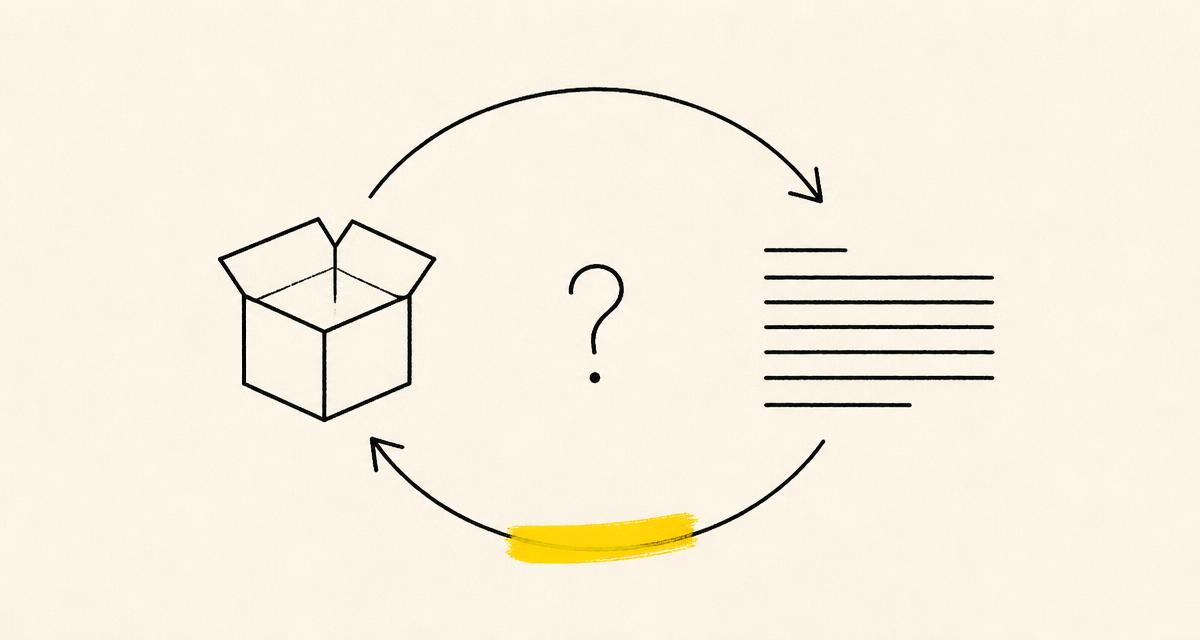
"Tell us about your brand voice" gets you "professional but friendly." Every time. That's not the client being lazy. It's a bad question.
The real goal of a brief
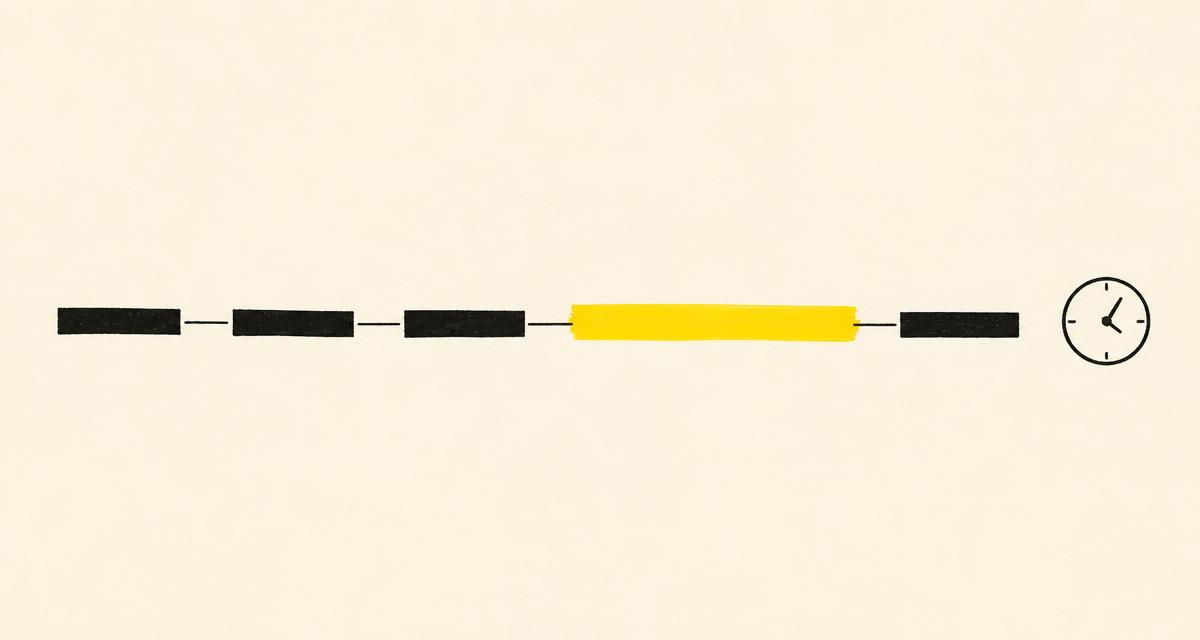
A brief isn't a formality you send so you can say you sent one. It's the only chance you get to extract everything you need before you start writing, because after this, every missing detail turns into a follow-up email, and every follow-up email adds a day (minimum) to the timeline.
A good brief front-loads the pain. A bad one defers it to revision round two.
What a brief actually needs to ask
Specifics over adjectives. Instead of "what's your brand voice," ask for three examples: a sentence they'd actually say to a customer, a competitor's site they like, one they don't. You'll learn more from what they react to than from what they claim to want.
Real services and features, not a paragraph. A structured list beats a wall of text a client wrote in five minutes on their phone. If they have to fill in fields instead of freewriting, you get something you can actually work from.
Goals, plural, with priority. Almost every client has more than one goal for a new site (more leads, look more established, stop looking like it's from 2016), and they rarely rank them for you unless you ask directly. Knowing the priority changes what you write for the homepage.
Contact details, up front. If you're planning to send them anything automatically, ask for their email at intake, not three weeks in when you suddenly need it.
An easy out for the stuff they don't know yet. Not every client has a tagline ready, or knows their competitors off the top of their head. Give them a legitimate skip option instead of a blank field that makes them feel like they're failing a test.
What to leave out
Briefs can overcorrect into feeling like a chore. If you're asking fifteen questions with the personality of a tax form, clients will rush through it just to be done. A little wit in the copy keeps them engaged enough to actually think about their answers instead of speed-running to the submit button. Just don't let the wit outweigh the clarity, a joke that requires explanation is a worse question than a boring one that gets answered honestly.
The compounding effect
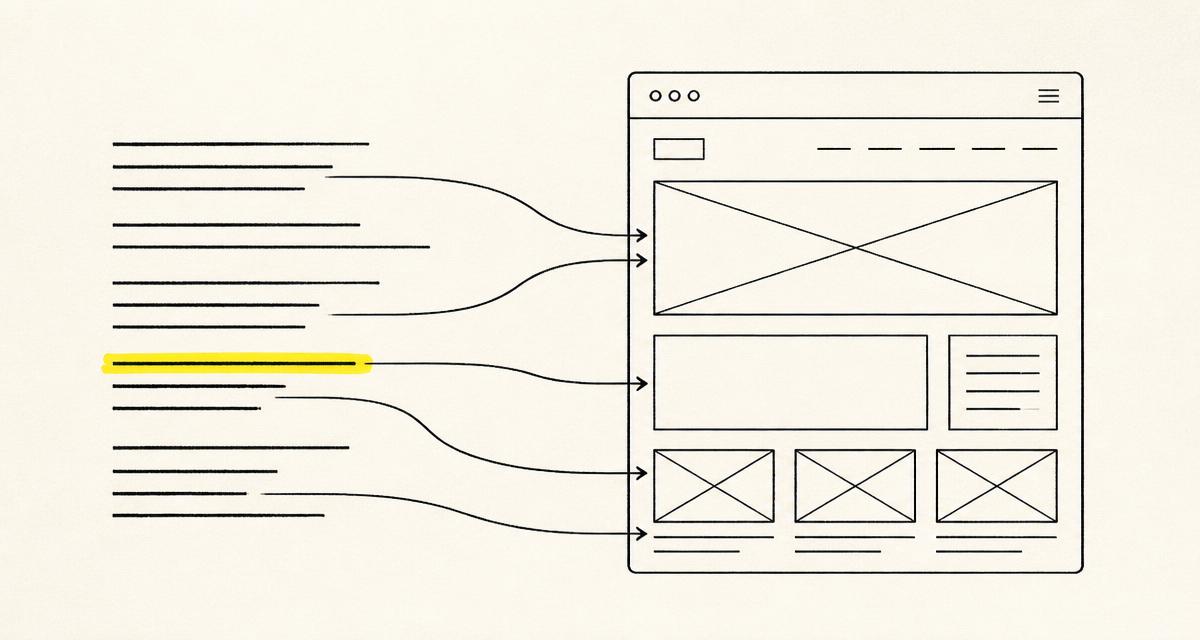
Every question you don't ask at intake becomes a question you ask later, over email, at a worse time, with less context, and usually after you've already started writing based on a guess. A tight brief doesn't just save you one week of back-and-forth. It changes the shape of the whole project, because you're writing from real answers instead of your best interpretation of "professional but friendly."
That's the whole reason SiteWrite's intake form exists as its own thing instead of a generic form field: it's built to ask the specific-enough questions up front, with no login required for the client to answer them, so the brief actually does its job before the writing starts.