The deposit clears. The kickoff call goes great. Everyone is excited. You send over the content questionnaire, block out time on the calendar, and wait.
And wait.
Two weeks later you send a friendly nudge. A month later you send a less friendly one. The project you scheduled for March quietly becomes the project you hope to finish by June, and the client who couldn't wait to get started has gone completely silent.
Here's the thing most agencies get wrong about this: the client didn't flake. The client got stuck.
They didn't realize they'd signed on to become a copywriter
Think about what actually happened from the client's side. They hired you because they wanted a website. In their head, that transaction was complete: money in, website out. What they didn't see coming was the homework.
Somewhere in your onboarding, a job quietly changed hands. Suddenly they're staring at a request for a homepage headline, an about page, service descriptions, a mission statement, and "any other copy you'd like to include." They own a landscaping company. They have never written a headline in their life. They don't know what a value proposition is, and honestly, why would they?
You didn't just ask them for content. You asked them to do a job they never applied for, on top of the actual business they're trying to run. Ghosting isn't rudeness. It's writing anxiety doing what it always does: avoidance.
The blank Google Doc problem
Most agencies hand off the content task in one of two ways, and both of them fail for the same reason.
The first is the blank document. "Just send over your copy whenever it's ready." This sounds generous and flexible. In practice, it's a blank page with a deadline attached, and blank pages are terrifying to people who don't write for a living. Professional writers have entire routines for getting past blank pages. Your client, who spent today fixing a hydraulic leak or closing a real estate deal, does not.
The second is the giant questionnaire. Twenty-five open-ended questions, each one reasonable on its own, together forming a take-home exam that will take a full Saturday to complete. Question four asks them to "describe your brand voice." They read that, feel a small wave of dread, close the tab, and tell themselves they'll get to it this weekend. You know how that goes.
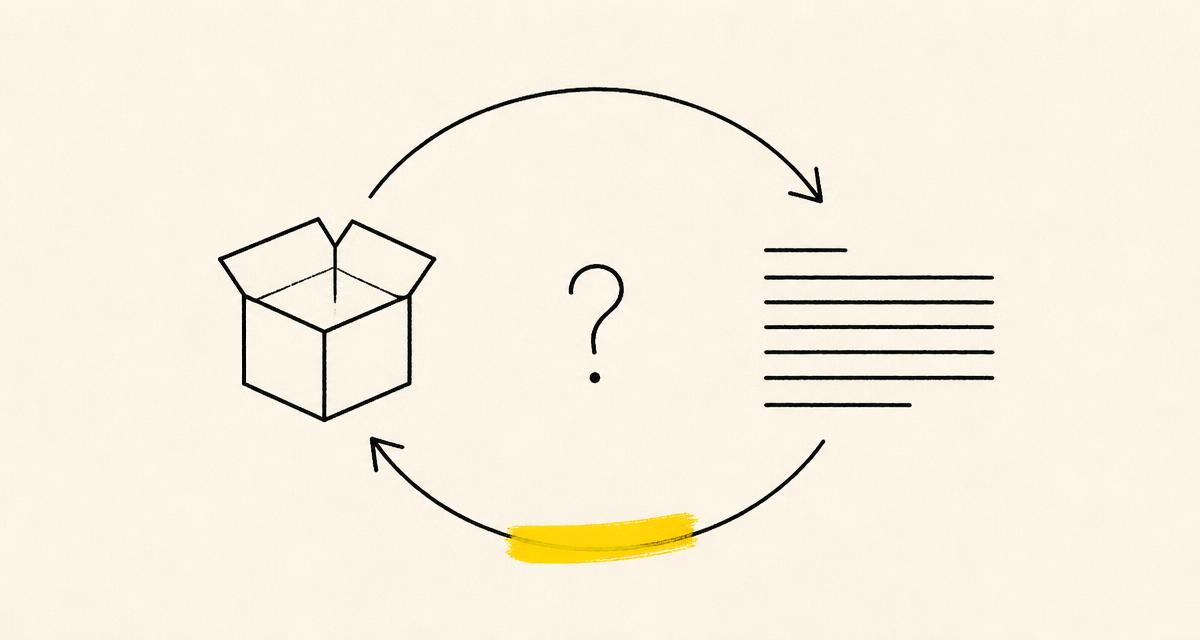
Both approaches make the same mistake: they treat content as something the client delivers, rather than something the project produces.
Why "just write something, we'll polish it" doesn't help
A lot of well-meaning designers try to lower the pressure by saying the first draft doesn't have to be good. "Just get something down, we'll clean it up."
This helps writers. It does not help non-writers. To someone who doesn't write, a bad first draft isn't a stepping stone, it's evidence. Evidence that they're doing it wrong, that they're going to embarrass themselves in front of the professional they just hired, that maybe they should wait until they have more time to do it properly. Which means never.
The problem was never their standards. The problem is that you gave them a task with no structure, and structure is exactly what non-writers need most.
What actually gets content out of clients
The agencies that don't get ghosted have figured out the same handful of things.
Ask smaller questions. Nobody can answer "describe your brand voice," but almost anyone can pick which of five example sentences sounds most like them. Nobody can write their about page cold, but they can tell you how the business started, what clients say after working with them, and what they wish more people understood. Small, concrete, answerable questions produce raw material. Big abstract ones produce silence.
Never send a blank page. Every request should come with structure already in it: a starting point, an example, a fill-in-the-blank, anything. The client's job should be reacting and correcting, not creating from nothing. People who freeze up when asked to write are often quick and confident when asked to fix.
Draft first, then ask for reactions. This is the biggest shift. Instead of waiting for the client to produce content, produce a draft from what you already know and let them respond to it. "This isn't quite right" is a sentence every client can say. It takes ten seconds and it moves the project forward. Compare that to the weeks of silence a blank document buys you.
Make reviewing effortless. If giving feedback requires creating an account, learning a tool, or writing a formal email, you've rebuilt the homework problem in a new location. The easier the review step is, the faster it happens.
The part where we mention we built something for this
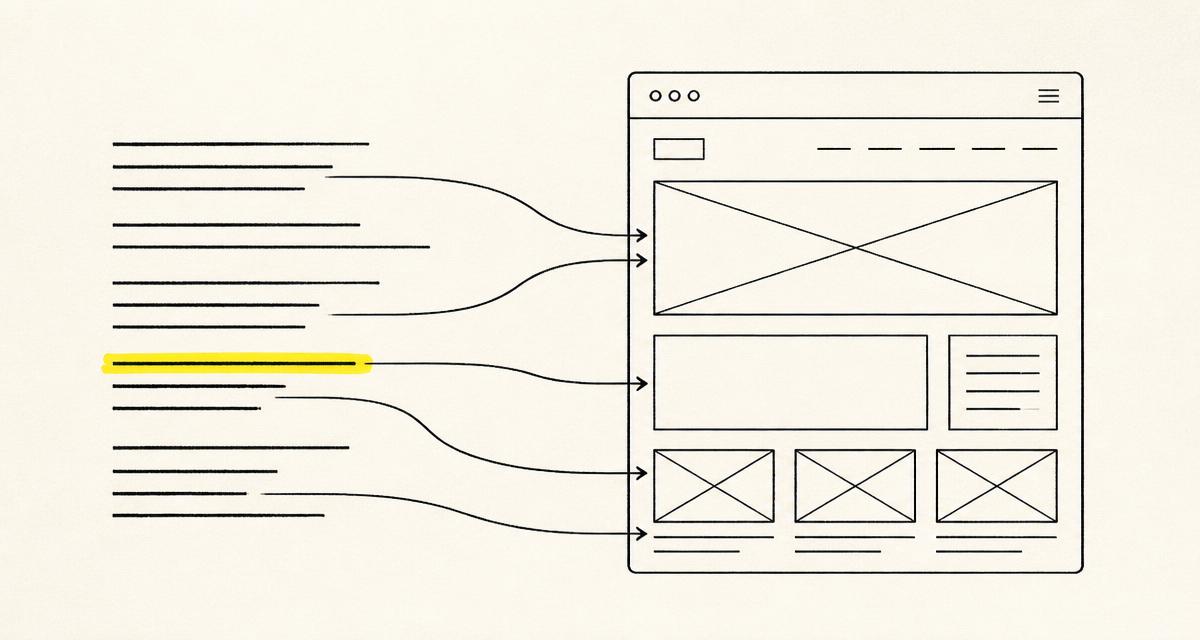
This exact bottleneck is why we made SiteWrite. It takes what you learn in intake, drafts a full content plan for every page, and gives your client a simple link where they can read it and leave comments. No login, no blank page, no copywriting assignment. Your client goes from "person who owes you 2,000 words" to "person who reads a draft and says what's off," which is a job they can actually do on a Tuesday.
But tool or no tool, the principle stands on its own: stop asking clients to write, and start asking them to react.
The ghost was never about you
If clients keep going quiet after the deposit, it's tempting to conclude that people are just unreliable. Some are. Most aren't. Most of your ghosts are decent, busy people avoiding a task that makes them feel incompetent, and hoping that if they stay quiet long enough, the task will somehow resolve itself.
Take the writing off their plate and watch what happens. The same client who dodged your emails for six weeks will turn around comments on a draft in two days. They were never avoiding you. They were avoiding the blank page.
Remove the page, keep the client.